A 36-lot west-side subdivision moves through Rhinelander review
Tony Pharo called housing the region’s leading economic constraint as the plan commission considered new residential land.
Read the story →Northwoods housing notes
Plainspoken analysis of Oneida County housing, Wisconsin programs, financing, construction and the decisions that determine what gets built.

Tony Pharo called housing the region’s leading economic constraint as the plan commission considered new residential land.
Read the story →The case has been made. The useful work now is specific: identify buildable sites, target real monthly payments and complete an early project others can follow.
Read the story →The agreement moved another housing project from broad support toward defined responsibilities and execution.
Read the story →Tony Pharo explained why even low-interest infrastructure debt can add an unaffordable amount to every home.
Read the story →The council decision sent a signal about whether new housing proposals can move through the local process.
Read the story →
Not a slogan. A complete budget, early site work, sensible financing and fewer surprises between choosing a plan and getting the keys.
Read the story →A town can say it wants attainable homes while minimum sizes, wide lots and cosmetic requirements make those homes impossible to build.
Read the story →Federal programs increasingly recognize factory-built homes as part of the supply answer, although the fine print still determines whether a buyer can use them.
Read the story →Many older residents are not trying to leave the Northwoods. They are trying to find a manageable home that lets them remain here.
Read the story →
A lower purchase price is not much help if a Northern Wisconsin winter turns the heating bill into a second mortgage payment.
Read the story →Cutting wasted hallways is not the same as cutting daily comfort. A thoughtful plan protects the rooms and storage people actually use.
Read the story →A proposal involving roughly five acres reached residential zoning but stopped at the county sale—a useful case study in land, public trust and housing approvals.
Read the story →
WHEDA’s infrastructure financing goes after the unglamorous costs that can decide whether a workforce-housing project gets built at all.
Read the story →The number that matters includes the foundation, the driveway, the utilities and the ground underneath it—not just the house leaving the factory.
Read the story →The useful idea is simple: combine factory efficiency with the design, installation and financing expectations of conventional homeownership.
Read the story →It is a construction standard, not a description of a neighborhood or a prediction about what a home will look like.
Read the story →The home is built indoors. The neighborhood, foundation and responsibilities are every bit as permanent as any other house.
Read the story →Around here, a job offer can fall apart over a forty-mile commute. That makes housing every bit as important as roads, broadband and industrial space.
Read the story →
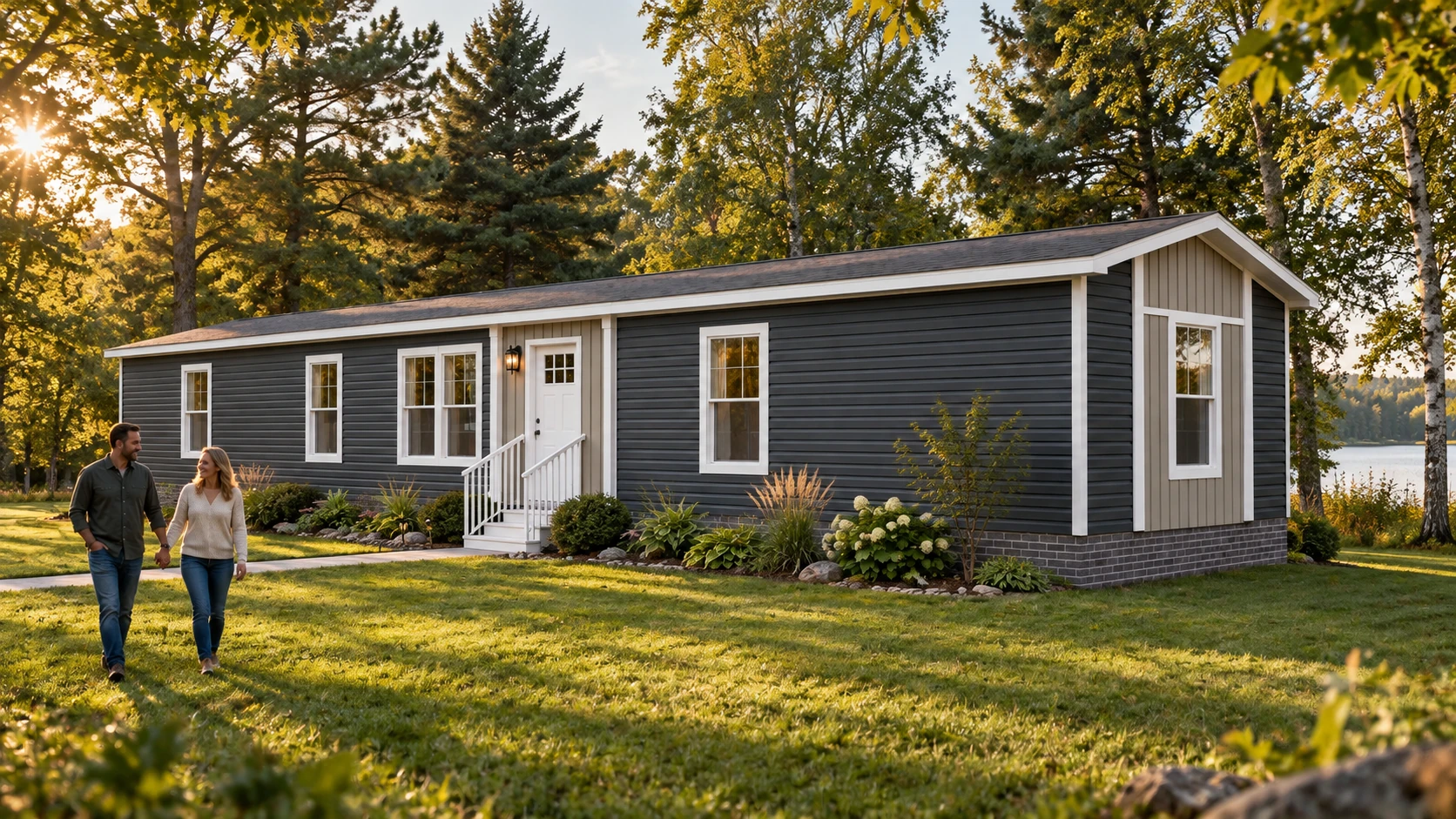
The report puts data behind something people here already feel: the available homes do not match the people who live and work in the Northwoods.
Read the story →A sharp drop in single-family permits is a warning sign for a county already balancing permanent residents, seasonal demand and high land costs.
Read the story →The Centergy housing study connects attainable single-family construction with compact sites near jobs, utilities and existing community services.
Read the story →Oneida County’s completed study quantified a shortage large enough to affect nearly every employer and community.
Read the story →The county’s 2030 forecast shows that owner housing remains central to the workforce equation, even in a market where single-family homes already dominate the inventory.
Read the story →The study set out to replace assumptions with market data developers could use.
Read the story →Employers were describing the same problem everywhere Tony Pharo went: jobs were available, but homes were not.
Read the story →
A 240-acre Crandon-area development began releasing wooded homesites in a county where new residential supply has been difficult to create.
Read the story →Across Vilas, Forest, Lincoln and neighboring counties, the housing problem was already visible: older inventory, high site costs and too few practical ownership choices.
Read the story →