
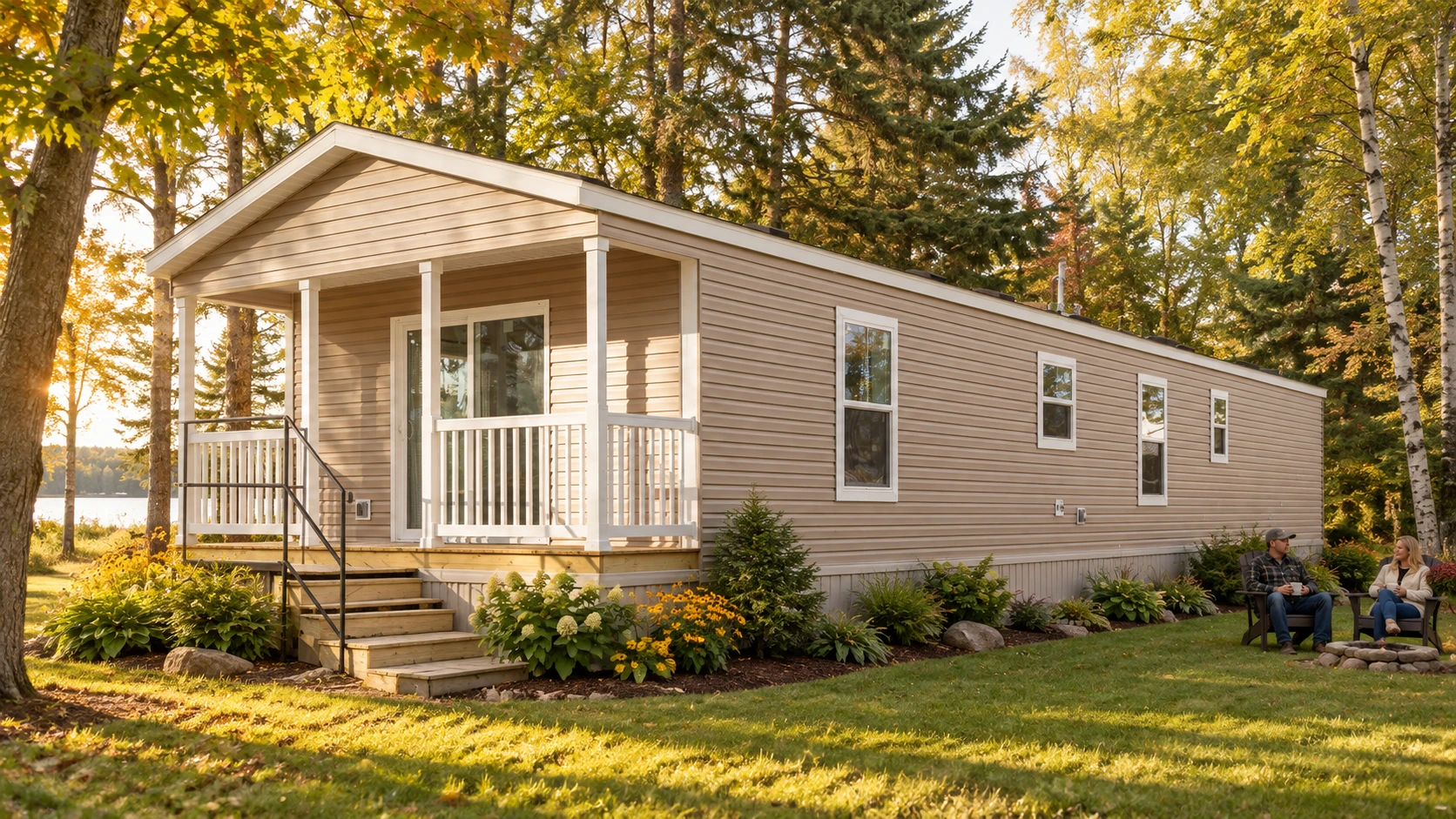
Northern Wisconsin’s climate makes insulation, air sealing, windows and heating systems especially important. Buyers should evaluate expected operating costs alongside the mortgage payment.
Modern factory construction can support consistent installation and quality control for energy-related components. Actual performance depends on the model, equipment, installation and household use.
A purchase price answers only one part of the affordability question. The homeowner must also pay for heating, cooling, electricity, water, insurance, taxes and maintenance every month. In the Northwoods, heating performance can materially change the household budget, which makes energy features part of financial underwriting rather than a cosmetic upgrade.
What the numbers leave out
The building enclosure is the first line of defense. Insulation levels, air sealing, window performance and careful installation work together. High insulation values cannot compensate for uncontrolled air leakage, and efficient windows cannot correct poorly sealed penetrations. Buyers should evaluate the home as a system rather than comparing one product label.
Mechanical equipment should be matched to the home and climate. Oversized equipment can cycle inefficiently, while undersized equipment may struggle during extreme weather. Fuel availability and price also matter. Electric, propane and heat-pump options should be compared using realistic local operating assumptions and a plan for backup or cold-weather performance where appropriate.
Factory construction can support consistency because insulation and air-control details are installed in a repeatable environment and inspected before the home leaves the facility. Final performance still depends on transportation, section connections, foundation interfaces, utility penetrations and commissioning at the site.
Where this gets practical
Home orientation and site design contribute to comfort. Wind exposure, shade, snow drifting, entry placement and solar gain can affect how the home performs. Landscaping and porches can improve seasonal comfort, but they should be planned without creating moisture, drainage or roof-shedding problems.
Buyers should ask for model-specific energy information rather than assuming every new home performs the same. Equipment, insulation packages and regional production standards can vary. Utility estimates are never guarantees, but a documented specification gives the buyer and lender a stronger basis for comparing options.
Efficiency investments should be evaluated over the expected ownership period. Some upgrades produce immediate comfort and operating benefits, while others may have long payback periods. The best package balances first cost, monthly savings, reliability and the availability of qualified local service.