
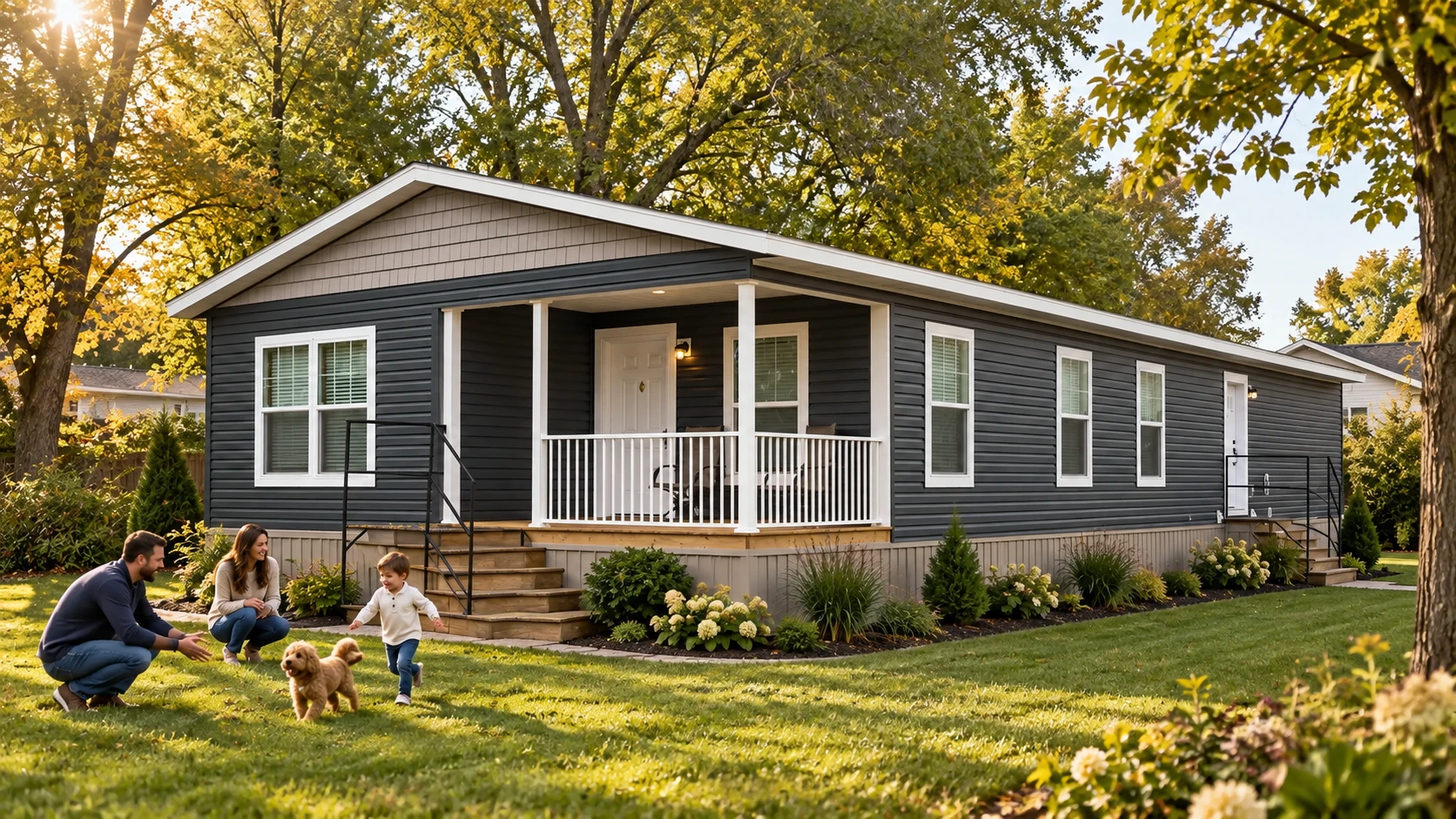
Land, excavation, foundation, transportation, installation, well and septic or municipal connections, electrical service, permits, driveways, drainage and finish options can all affect the final investment.
Affordability comes from managing the entire chain: the home plan, the land, infrastructure, schedule, financing and selections.
A base-home price is useful for comparing models, but it is not the amount a buyer should use to decide whether a project is affordable. The complete budget begins with the land and continues through occupancy. Leaving major site items outside the early estimate creates a low headline number that can collapse when real bids arrive.
What the numbers leave out
Land cost includes more than the purchase price. Surveying, title work, soil testing, wetlands, clearing, access, grading and holding costs can all matter. A lower-priced parcel can become more expensive than a serviced lot if it requires a long driveway, extensive fill, a difficult septic system or a major power extension.
The foundation and installation package must match the home, site and financing requirements. Excavation, concrete, frost protection, crane or set crew access, section connections, stairs, decks, skirting and final grading should be identified before construction begins. Snow, spring road restrictions and transportation routes can also affect timing and cost in Northern Wisconsin.
Utilities deserve their own detailed allowance. A private site may require a well, septic system, electrical service, propane storage and communications. A municipal site may involve connection fees, laterals, meters or assessments. The cheapest utility solution is usually the one discovered during site selection rather than after the home has been ordered.
Where this gets practical
Financing costs are part of the project too. Construction interest, appraisal, lender inspections, closing fees, insurance and taxes can affect the cash required and the eventual monthly payment. Buyers should understand when payments begin and how long they may be carrying land or construction debt before permanent financing closes.
Selections can quietly push a plan beyond its intended price point. Cabinets, appliances, siding, flooring, porches, garages and energy upgrades each may be reasonable, but the combined effect matters. A disciplined process separates essential site work from optional finishes and shows the buyer the monthly impact of upgrades before they are approved.
A contingency is not evidence of poor planning. It is recognition that underground conditions, material changes and permit requirements can create legitimate uncertainty. The appropriate contingency depends on how much site investigation and design work has been completed. As unknowns are resolved, the contingency can be reduced.