
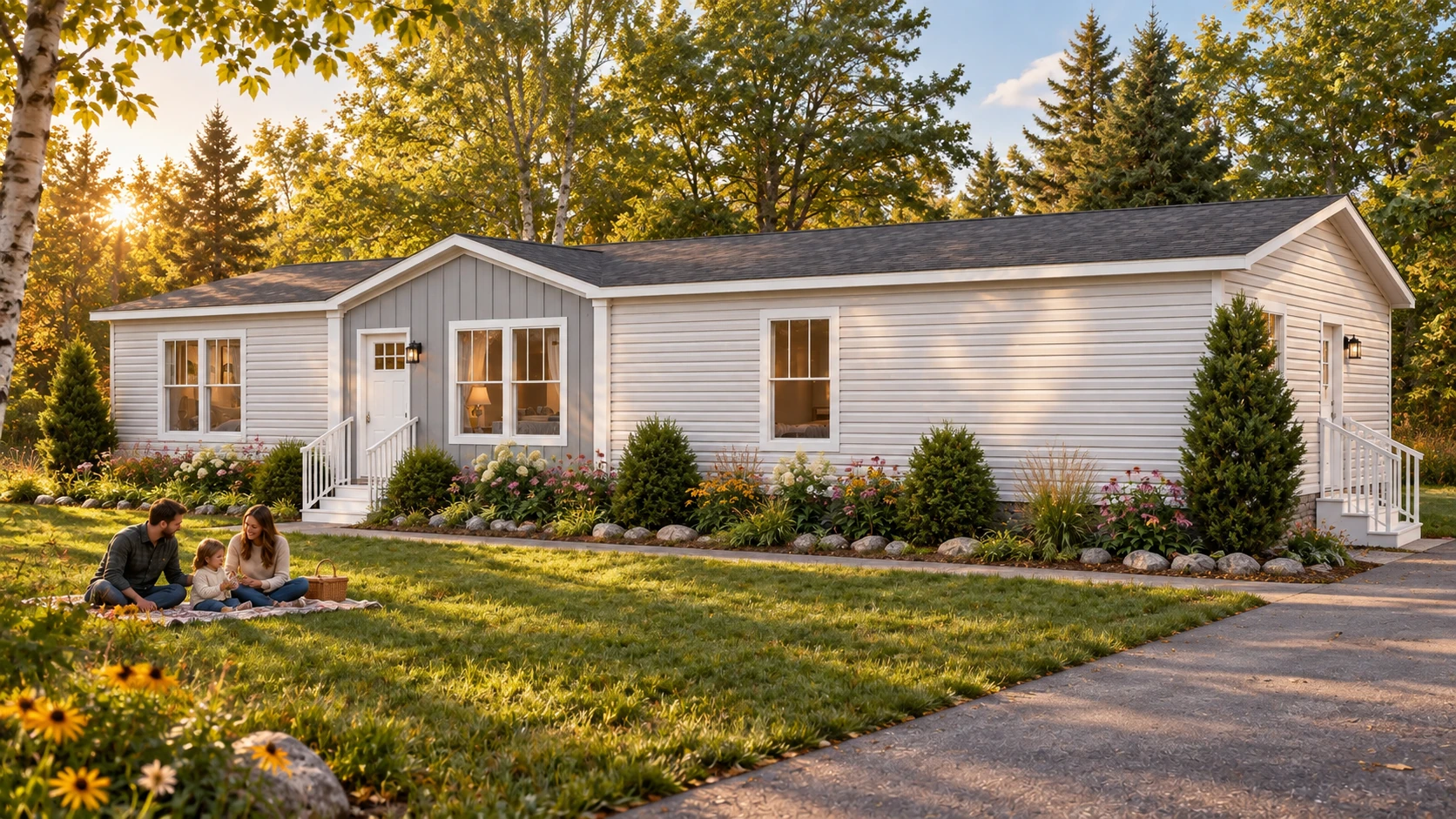
When the Oneida County housing study was released, it confirmed that the shortage was not a small mismatch at the edge of the market. The county was projected to need more than 200 rental units and approximately 1,000 owner-occupied homes by 2030.
Tony Pharo highlighted the price ranges local households needed: ownership choices broadly in the mid-hundreds of thousands and rents that remained connected to workforce incomes.
Those ranges matter because building the wrong supply does not close the useful gap. Luxury construction may add taxable value, but it does not necessarily create a place for a teacher, nurse, hospitality employee or manufacturing worker to live.
What the numbers leave out
The report offered ten recommendations intended to move from diagnosis to implementation. That includes development policy, infrastructure, partnerships and the practical work of bringing sites to market.
The ownership figure is especially important. Rental housing can address part of the shortage, but many households want permanence, equity and control over their home. A balanced response needs both.
For local decision-makers, the study created a measurable standard. Every new project can now be understood as a contribution toward a documented countywide need rather than an isolated proposal.