
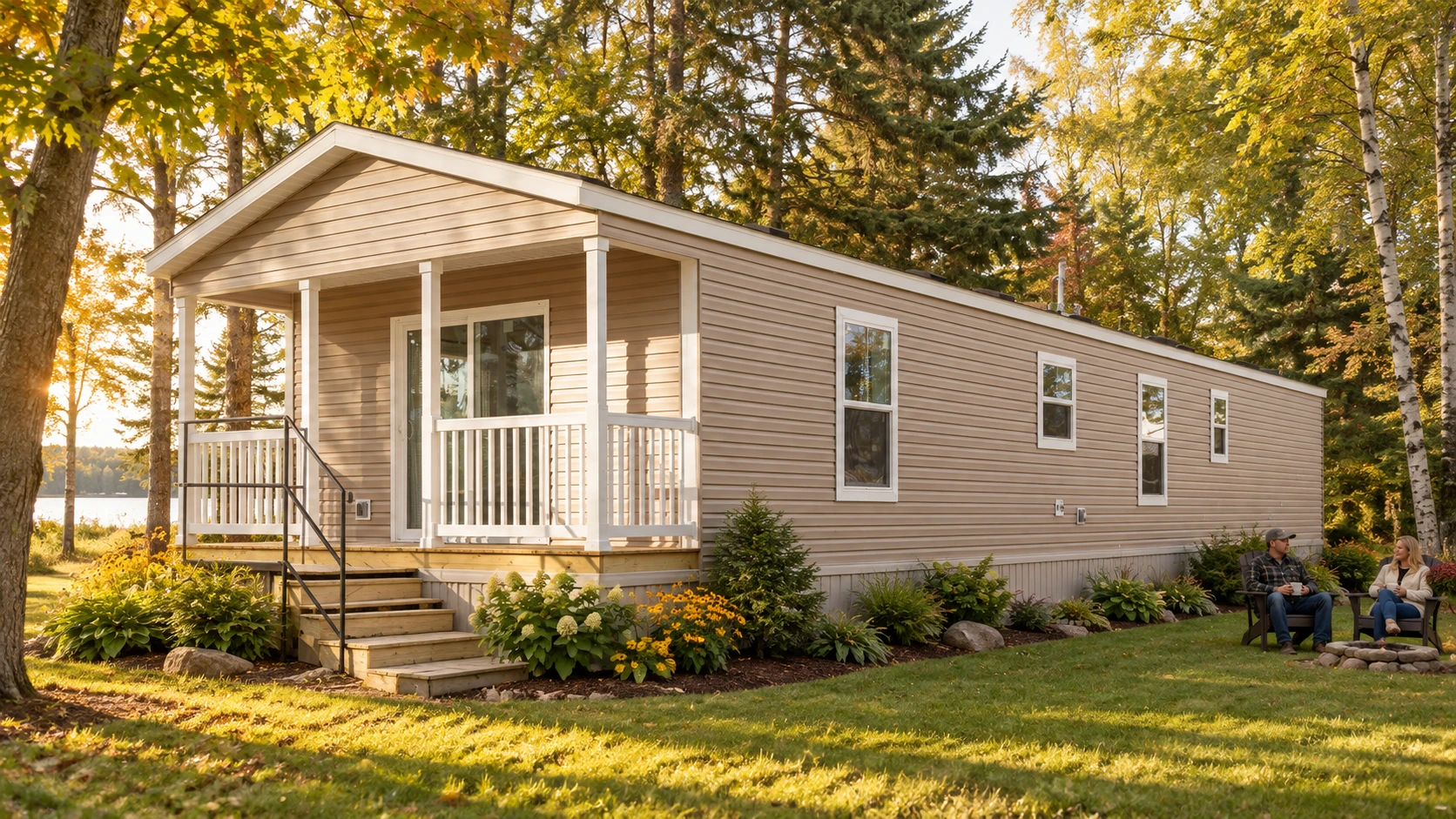
CrossMod homes are manufactured homes designed for permanent placement and neighborhood compatibility. Typical features may include higher-pitched rooflines, garages or carports, porches, drywall interiors and elevated exterior finishes.
Some qualifying homes may have access to financing and appraisal approaches that differ from standard manufactured housing. Eligibility is specific to the home, site, lender and program, so buyers should verify details early.
For communities, the larger idea is valuable: attainability and curb appeal do not have to work against each other.
What the numbers leave out
CrossMod is an industry designation rather than a separate building code. The home remains a manufactured home built to the federal HUD Code, but it is designed and installed with features intended to make it more comparable to site-built housing in appearance, permanence and market treatment.
Typical qualifying features can include a permanent foundation, elevated roof pitch, drywall interiors, energy-efficiency measures, a garage or carport and a site-built porch. Exact requirements depend on the financing or appraisal program involved. A home should not be represented as qualifying merely because it has an attractive exterior.
The financing objective is significant. Certain eligible homes and transactions may be considered under conventional programs designed to improve access to land-home financing. These programs may require specific construction features, real-property treatment, borrower qualifications and appraisal procedures. Availability still depends on participating lenders and current program rules.
Where this gets practical
Appraisal is often one of the hardest parts of introducing a new housing product into a rural market. There may be few recent comparable sales with the same classification and features. Some CrossMod-related approaches allow greater consideration of site-built comparables when requirements are met, but the appraiser must still follow the applicable assignment and market evidence.
For a municipality, CrossMod can provide a useful bridge between affordability and neighborhood standards. A community can identify the exterior and site characteristics it values without prohibiting an efficient construction method. That makes it possible to protect streetscape quality while allowing more households to enter the ownership market.
The added features also carry costs. A garage, porch, steeper roof and upgraded interior are not free, and they should be evaluated against the buyer’s total budget. CrossMod is most useful when those features unlock financing, appraisal or zoning benefits that justify the incremental investment.
The work in front of us
Buyers should ask the manufacturer and lender to confirm eligibility in writing. They should also understand whether the home will be titled as real estate, what foundation certification is required and how the property is expected to be appraised. Marketing language alone should never replace transaction-specific verification.