
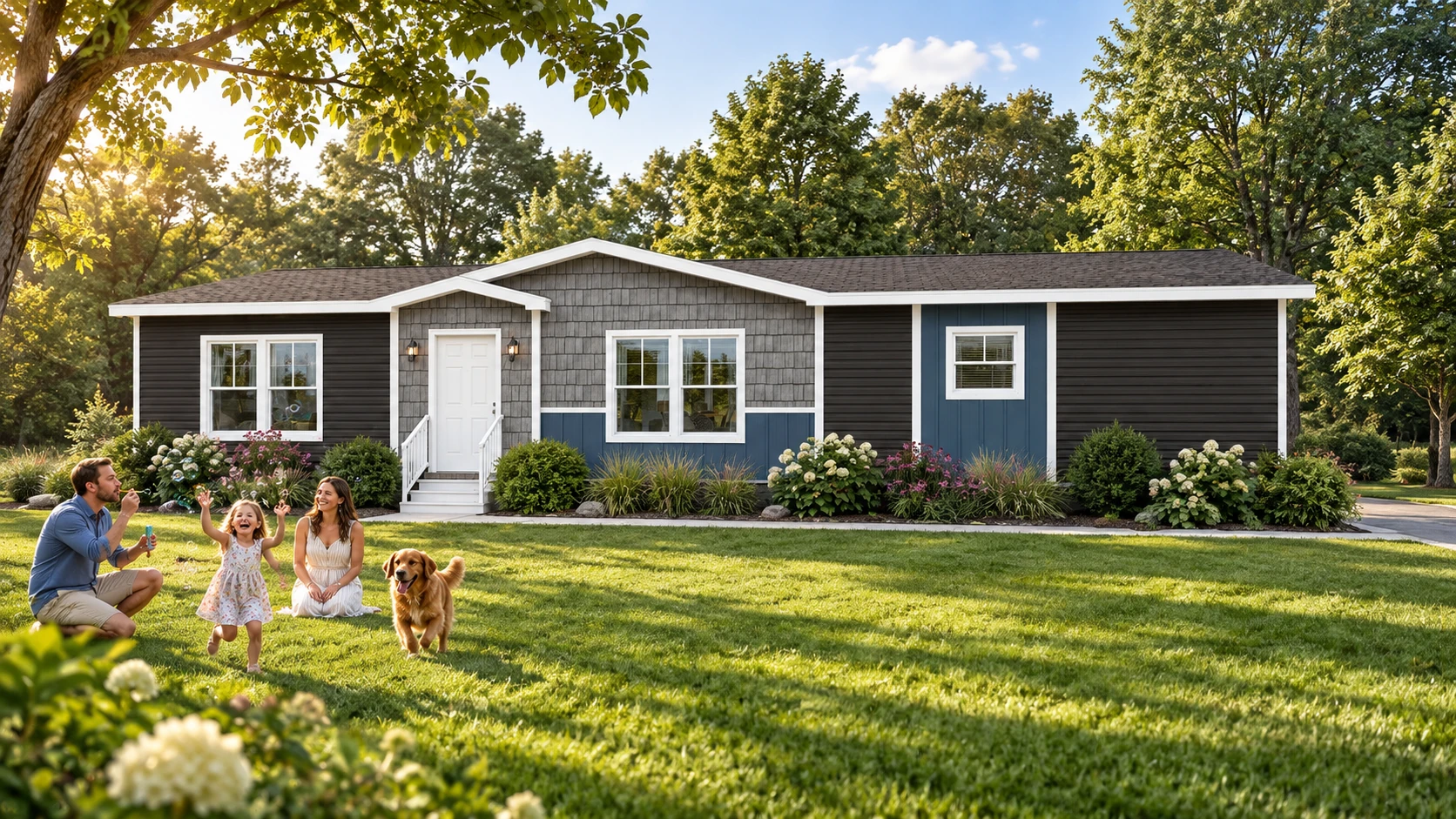
Factory construction moves much of the building process into a controlled environment. That creates repeatable quality checks, reduces weather delays and makes material use more predictable.
The home still requires the work that makes any development successful: suitable land, zoning, a permanent installation, utilities, drainage, access and thoughtful neighborhood design.
Used well, off-site construction is not a shortcut. It is a way to control one of the most volatile parts of the total development cost.
What the numbers leave out
The word manufactured describes where and under which code a home is built. It does not describe whether the homeowner values the property, how the neighborhood is maintained or whether the home is intended to remain on its site. Modern manufactured homes can be installed on permanent foundations, connected to conventional utilities and integrated into well-planned single-family developments.
Building indoors changes the production environment. Materials are protected from prolonged exposure to rain and snow, crews work in specialized stations and inspections occur throughout the process. Factory purchasing can reduce material variability, while repeatable plans allow builders to refine details instead of solving the same problems from scratch on every site.
Schedule control matters in the Northwoods. A conventional build can lose significant time to winter conditions, subcontractor sequencing and weather-sensitive work. Off-site production allows the home and site to progress in parallel. Excavation, foundation and utility work can occur while the home is being constructed, compressing the time between project start and occupancy.
Where this gets practical
The factory does not eliminate site responsibility. Soil conditions, drainage, frost protection, foundation design, utility capacity, transportation access and final installation remain critical. A quality home placed on a poorly prepared site will still produce a poor result. The development team must manage both halves as one integrated project.
Neighborhood design also shapes public perception. Consistent setbacks, landscaping, garages or carports, porches, rooflines and thoughtful exterior selections can create a streetscape that feels intentional. The goal is not to disguise the construction method. It is to apply the same planning discipline expected of any lasting residential neighborhood.
Buyers should ask precise questions about the home’s code, manufacturer, warranty, installation standard, foundation, title treatment and financing. Manufactured and modular homes are not interchangeable terms. Understanding the classification early prevents surprises during appraisal, lending, insurance and resale.
The work in front of us
Cost efficiency does not mean every factory-built home will be inexpensive. Options, transportation distance, foundation type and site work can narrow the difference. The advantage is greater predictability and the ability to select a plan whose size and features are intentionally aligned with the buyer’s budget.