
The Grow North Regional Housing Study looked beyond any one city or county. Its service area included Vilas, Forest, Lincoln, Oneida and other Northwoods counties, allowing local housing conditions to be compared as one connected labor and housing market.
The report documented a region dominated by single-family homes but constrained by age, condition, seasonality and price. A high share of detached homes does not automatically mean that working households can find a suitable home for sale.
Vilas County stood apart for population growth, while Forest and Lincoln counties had experienced population decline. Those trends were different, but both created a need for housing that fits the next generation of permanent residents rather than relying only on inherited inventory.
What the numbers leave out
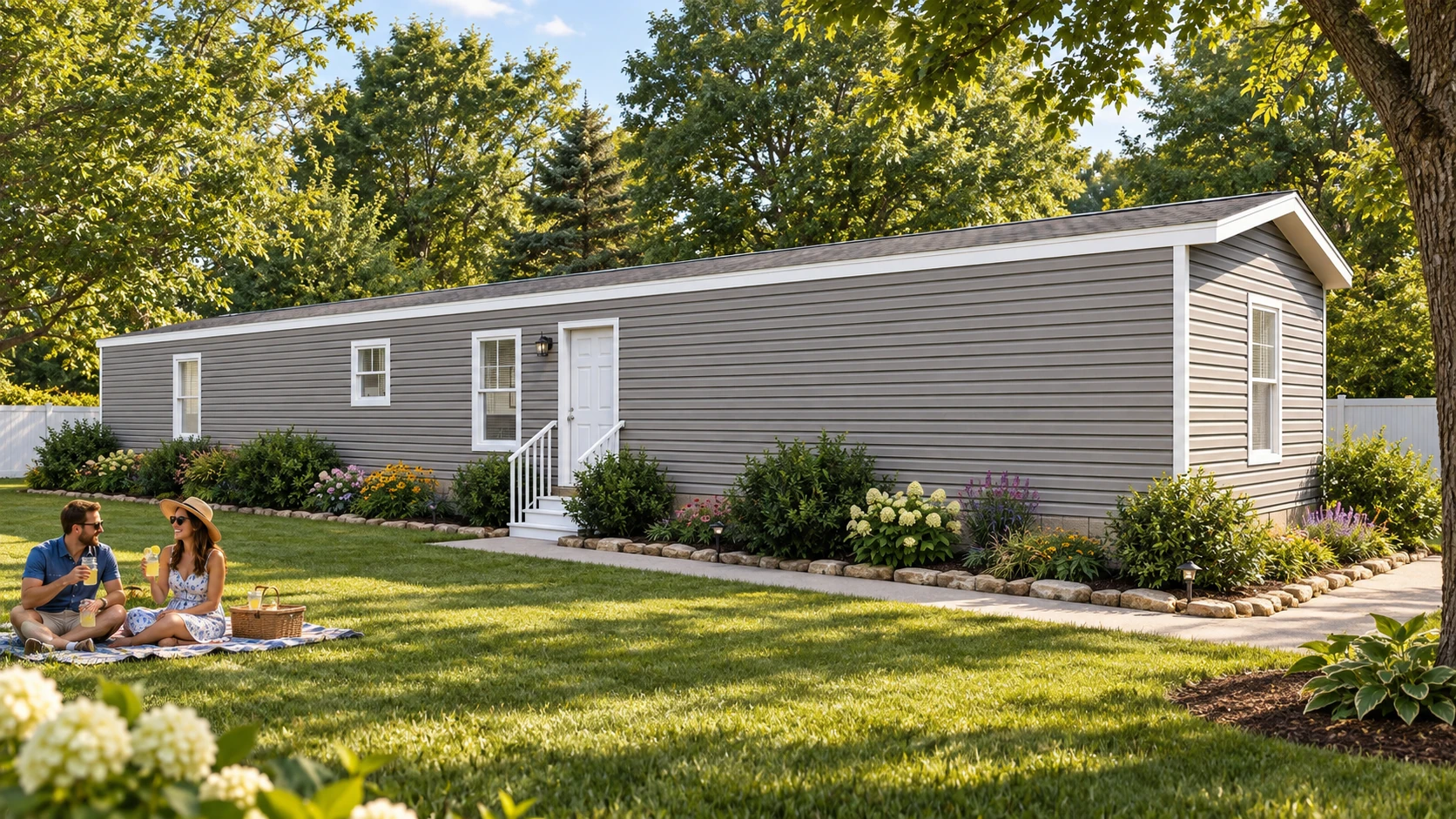
The study also emphasized smaller households and an aging population. That creates demand for compact ownership homes as well as family-sized houses. When smaller households have no right-sized option, larger existing homes stay occupied longer and movement through the market slows.
For builders, the regional lesson is that demand must be matched carefully to place. A modest home near jobs and services solves a different problem than a seasonal home on a large rural parcel, even though both appear in the same county housing count.
The study gave Northern Wisconsin an early shared framework: create buildable sites, broaden home sizes and price points, and treat year-round housing as infrastructure for the regional workforce.