
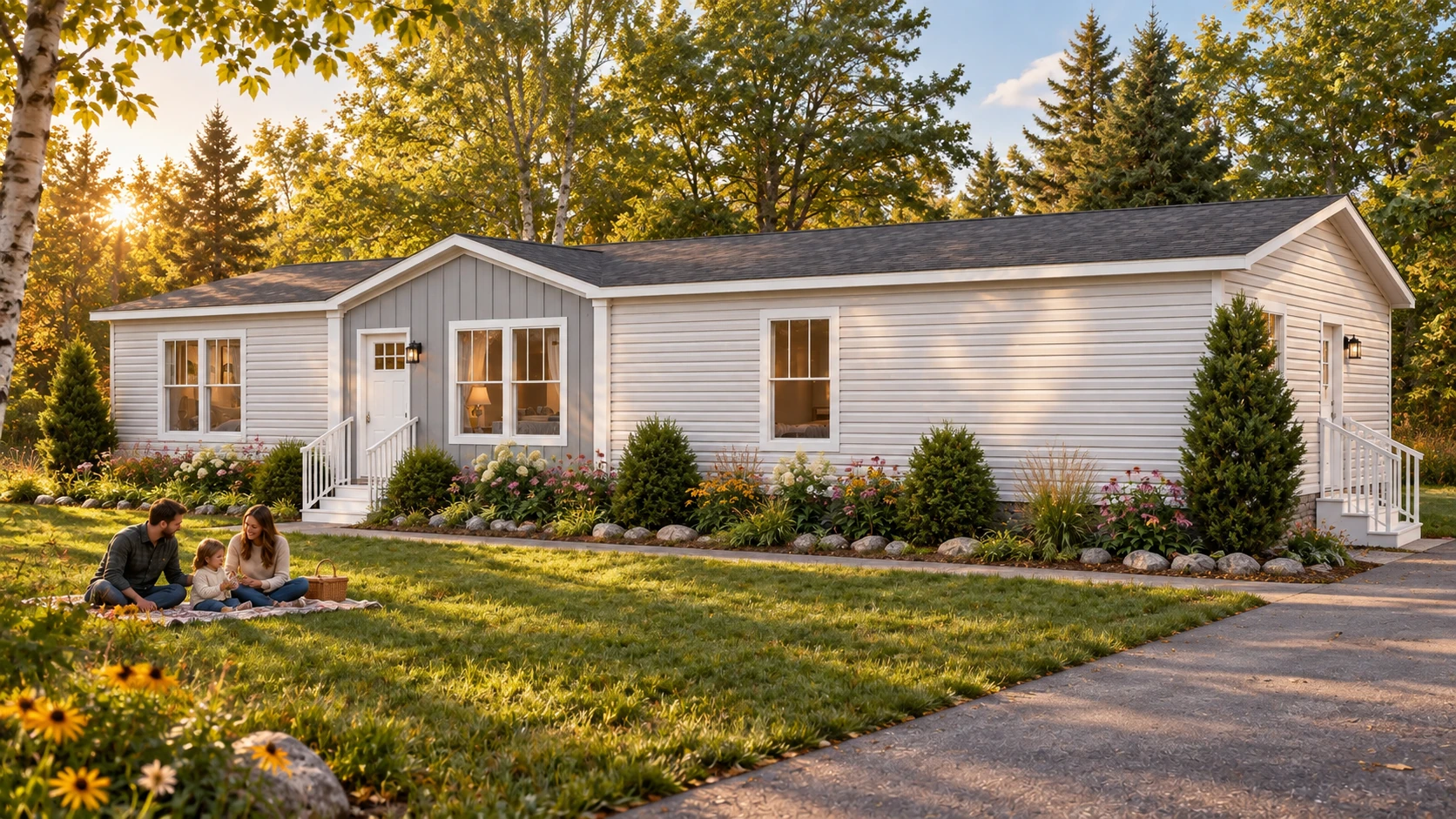
Minimum sizes, roof-pitch rules, garage requirements, density limits and distinctions among construction types can unintentionally eliminate lower-cost homes before a buyer ever sees them.
Good policy does not mean eliminating standards. It means connecting standards to health, safety, neighborhood fit and long-term property performance rather than construction stereotypes.
Local conversations work best when they start with an actual home, an actual site plan and a clear explanation of permanent installation and upkeep.
What the numbers leave out
Zoning determines what can be built, where it can be built and often how much it will cost. Lot width, setbacks, minimum floor area, density, parking, roof form and exterior requirements all shape the finished price. A community can support attainable housing in principle while its ordinance quietly makes attainable projects impossible.
The first step is to separate health and safety from preference. Safe foundations, utility connections, drainage, fire access and durable installation are essential. Requirements that mandate large homes or expensive architectural features deserve a clear connection to a public purpose because their cost is ultimately paid by the buyer.
Manufactured housing is sometimes regulated through definitions written for products that no longer reflect the market. Modern homes can include drywall, residential rooflines, porches, garages and permanent foundations. Ordinances should use accurate classifications and objective design standards rather than relying on the age or location of construction as a proxy for quality.
Where this gets practical
Lot size has a powerful effect on affordability. Larger lots consume more land and require more road, pipe, wire and maintenance per home. Thoughtfully reducing frontage or allowing clustered configurations can lower infrastructure cost while preserving private yards and a single-family neighborhood character.
Approval time is also a cost. Each month spent in an uncertain rezoning, conditional-use or plat process adds professional fees, interest and risk. Clear standards and predictable review do not guarantee approval, but they allow a developer to price land and housing without carrying a large uncertainty premium.
Community engagement is more productive when residents can see a specific plan. Renderings, floor plans, elevations, foundation details, landscaping and maintenance expectations create a better conversation than labels such as affordable or manufactured. People can respond to the actual neighborhood rather than an outdated mental image.
The work in front of us
Municipalities can test changes through an overlay district, planned-development process or pilot site before rewriting every residential district. The important point is to create at least one workable path for quality attainable single-family homes and then evaluate the results using property performance, resident experience and market response.